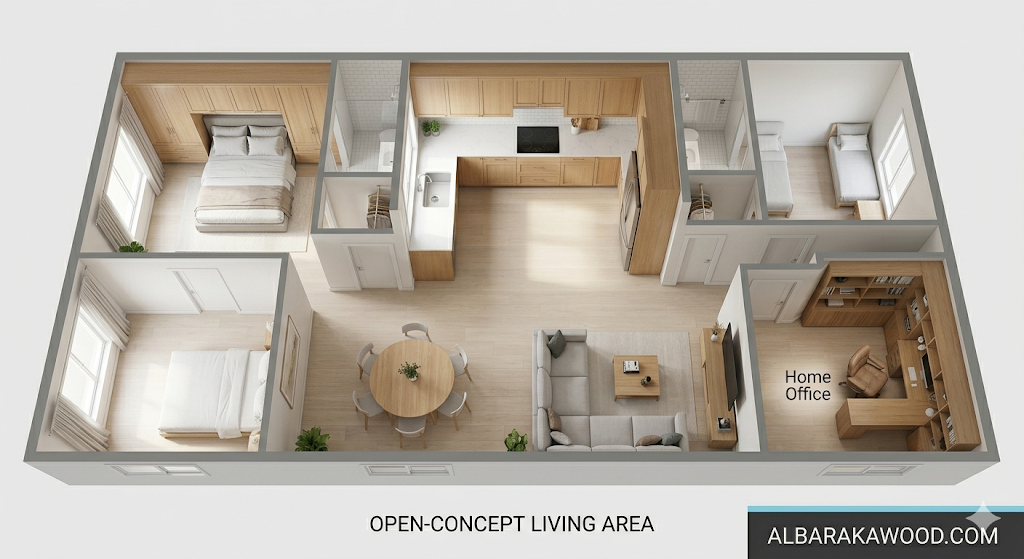
Discover t best kitchen shapes for your home, from L-shape to Galley layouts. Learn expert tips on kitchen placement, ventilation,
The Ultimate Guide to Kitchen Shapes and Layouts: Where to Place Your Kitchen for Maximum Efficiency
The kitchen is more than just a place to cook; it is the operational hub of the home. Whether you are building a new house or remodeling an existing one, the shape and location of your kitchen are the two most critical factors that determine your home’s flow and resale value.In this comprehensive guide, we will explore the most popular kitchen layouts, evaluate where a kitchen should be positioned within a floor plan, and provide expert tips on creating a space that is both beautiful and functional
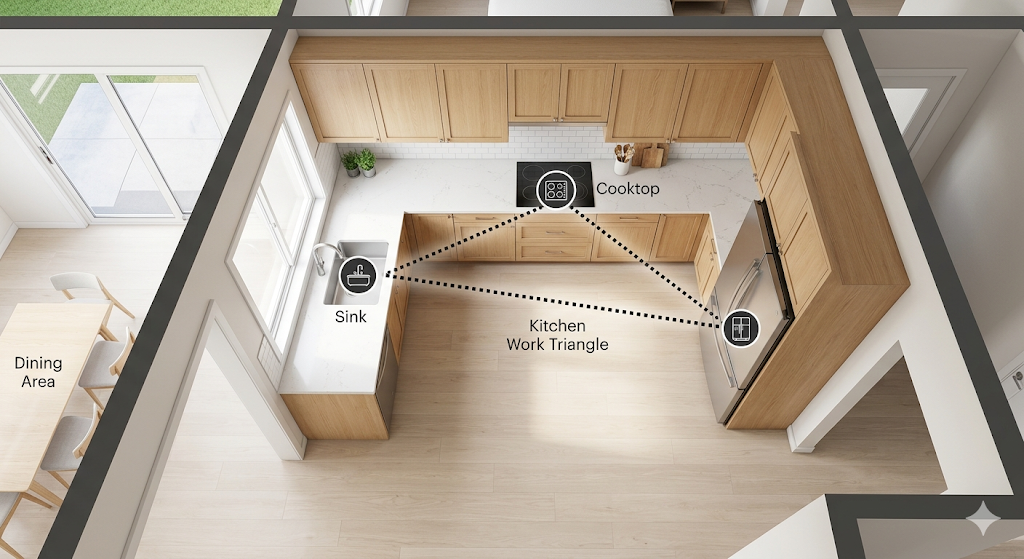
1. The Importance of the Kitchen “Work Triangle”
Before choosing a shape, you must understand the Work Triangle. This is an architectural concept that connects the three main work centers: the Sink, the Cooktop (Stove), and the Refrigerator.For maximum efficiency, the sum of the three sides of the triangle should be between 12 and 26 feet. If the distance is too small, the kitchen feels cramped; if it’s too large, cooking becomes a tiring chore.
2. Choosing the Best Kitchen Shape for Your Space
The L-Shaped Kitchen: Versatility PersonifiedThe L-shape is the most popular layout globally. It consists of two perpendicular walls of cabinets.Best for: Small to medium-sized homes and open-plan living.Pros: It eliminates traffic flow issues and allows for a small dining table or a mobile island in the center.The U-Shaped Kitchen: The Baker’s DreamA U-shaped kitchen features cabinetry along three adjacent walls.Best for: Larger families and serious home cooks who need maximum storage.Pros: Incredible amount of countertop space and cabinet storage. It keeps “passers-by” out of the cooking zone.The Galley (Parallel) Kitchen: Professional EfficiencyUsed in many professional restaurants, the Galley layout features two parallel runs of cabinetry.Best for: Narrow spaces or apartments.Pros: Every tool is just a step away. It is highly efficient for a single cook.The Island Kitchen: The Social HubAn Island layout adds a freestanding workstation to an L-shaped or One-Wall kitchen.Best for: Large, open-plan homes.Pros: Perfect for entertaining. Guests can sit at the island while you cook.
Where Should the Kitchen Be Located in Your Home?
Proximity to the EntranceLocating the kitchen near the back door or the garage entrance is a smart move. This makes unloading heavy groceries much easier and provides quick access for taking out the trash.Connection to Dining and Living AreasIn modern architecture, the “Great Room” concept is king. The kitchen should ideally flow into the dining area. However, if you prefer a formal lifestyle, a semi-closed kitchen with a “pass-through” window is a great middle ground.Natural Light and WindowsIdeally, the kitchen should be placed on an exterior wall with windows. Placing the sink under a window provides natural light and a view while doing dishes, which significantly improves the mood of the room.
Technical Considerations: Ventilation and Plumbing
The location of your kitchen is often dictated by your home’s “wet wall” (where the plumbing is).Ventilation: Ensure your kitchen location allows for a range hood that vents outside. Internal recirculating fans are rarely as effective at removing heat and odors.Common Walls: Avoid placing a kitchen wall directly against a bedroom wall to prevent noise from appliances (like the dishwasher or blender) from disturbing sleep.
5. Future-Proofing Your Kitchen Design
When choosing your layout, think about the future:Universal Design: Ensure there is enough space between counters (at least 42-48 inches) for easy movement.Smart Appliances: Ensure your layout has enough electrical outlets for modern smart tech.Eco-Friendly Layouts: Place your refrigerator away from the oven. If they are next to each other, the fridge has to work harder to stay cool, wasting energy.
Frequently Asked Questions (FAQs)
Q: Which kitchen layout is the most space-saving?A: The One-Wall or Galley kitchen is the most space-saving, making them ideal for studio apartments or narrow homes.Q: Can I add an island to an L-shaped kitchen later?A: Yes, as long as you have at least 3 feet of “clearance” space on all sides of the island to allow for walking and opening cabinet doors.Q: Should I put my stove or my sink in the kitchen island?A: Both are popular, but putting the sink in the island is generally better for socializing, as it allows you to face your guests while cleaning up.Q: What is the best direction for a kitchen according to Vastu?A: For those following Vastu principles, the South-East corner of the house is considered the best location for a kitchen.