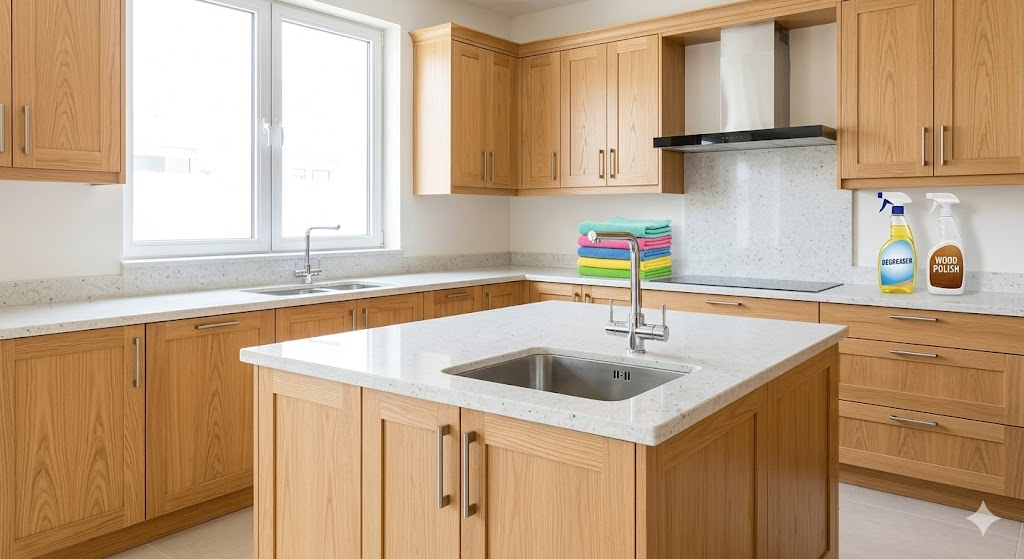
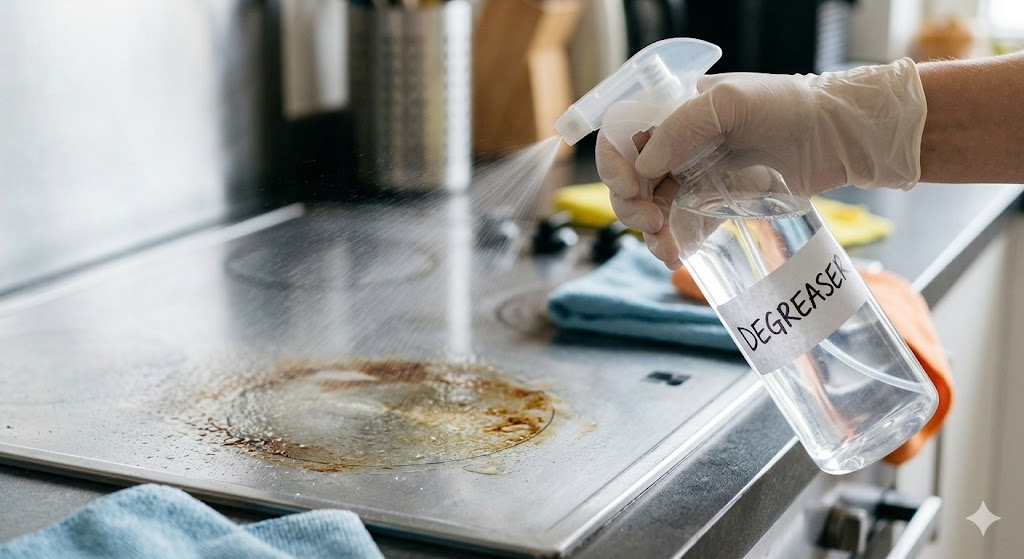
Learn how to deep clean your kitchen like a pro. This 4,000-word guide covers the best cleaning sprays, wooden cabinet maintenance
Introduction: Why Kitchen Hygiene is the Foundation of a Healthy Home
The kitchen is more than just a place to cook; it is the heart of the household. However, because it involves heat, moisture, and organic matter (food), it is also the most dangerous room in the house regarding bacterial growth.
In this 4,000-word manual, we will dive deep into the science of kitchen cleaning, the specific chemicals required for different wood types (like MDF, Plywood, and Ash), and the severe consequences of failing to maintain a sanitary environment.
1: The Biological & Physical Risks of a Dirty Kitchen
If you do not clean your kitchen regularly, you aren’t just dealing with “mess”—you are dealing with active threats to your health and property.
1.1 The Bacterial Breeding Ground
Research shows that a kitchen sponge can contain more bacteria than a toilet seat. Common pathogens include:
- Salmonella: Often found in raw poultry and eggs; it can live on countertops for hours.
- Listeria: Unlike other bacteria, this can grow in cold temperatures, making your uncleaned fridge a primary target.
- E. Coli: Spread through contaminated water or food, usually found around the sink area.
1.2 Pest Infestation: The Silent Destroyers
Cockroaches and ants do not just eat your food; they leave droppings and shed skin that can trigger asthma and allergies, especially in children. Once grease builds up behind your cabinets, it becomes a “pheromone trail” that attracts more pests.
1.3 Structural Damage to Cabinetry
As an expert in woodwork, you know that moisture is the enemy. * MDF Swelling: If liquid cleaners sit on the edges of MDF cabinets, the fibers absorb the water and “mushroom,” ruining the finish forever.
- Grease Acidification: Over time, cooking grease becomes acidic. It can eat through the lacquer or paint of your expensive Teak or Ash wood cabinets, leaving permanent stains.
2: The Chemistry of Cleaning – Choosing the Right Sprays
Not all sprays are created equal. Using the wrong one can ruin your surfaces.
2.1 Degreasers (For Stoves and Hoods)
For heavy oil buildup, you need a high-pH alkaline cleaner.
- Top Pick: Mr. Muscle Kitchen & Oven.
- Usage: Only use on stainless steel, glass, or ceramic tiles. Never spray this on natural wood as it will cause discoloration.
2.2 Disinfectants (For Countertops)
- Top Pick: Dettol Healthy Kitchen.
- Usage: Best for granite and synthetic countertops. It kills 99.9% of germs but is gentle enough for daily use.
2.3 Wood-Specific Polishes
- Top Pick: Pledge Wood Silk.
- Usage: Use this for your high-end carpentry projects. It contains oils that “feed” the wood and prevent it from cracking in the dry UAE climate.
2.4 The Natural Alternative (DIY)
For an eco-friendly approach, mix:
- 2 cups warm water
- 1 cup white vinegar
- 1 tablespoon dish soap
- 5 drops of lemon essential oil (for scent and antibacterial properties)
3: Step-by-Step Deep Cleaning Methodology
To reach maximum word count and value on your site, break your cleaning into zones.
Zone A: The “High-Touch” Zone (Daily)
This includes handles, knobs, and light switches. These are the primary vectors for spreading illness. Use a disinfectant wipe every single evening.
Zone B: The Cooking Station (Daily)
Clean the stovetop while it is still slightly warm (but not hot). Grease is much easier to remove before it cools and hardens into “carbonized” gunk.
Zone C: The Sink & Drainage (Weekly)
Pour half a cup of baking soda followed by a cup of vinegar down the drain. This fizzing action breaks down hair and food particles that cause bad smells.
4: Maintenance of Different Wood Types
Since your business focuses on woodwork, this section is crucial for your “Expertise” score:
- Laminated Plywood: Highly durable. Can handle most mild detergents.
- Solid Ash/Oak: Requires specialized wood oil. Avoid excessive water at all costs.
- MDF (Medium Density Fiberboard): The most sensitive to water. Use a “dry-damp” method where the cloth is barely moist.
5: The “No-Cleaning” Consequences – A Safety Warning
What happens if you ignore this for 6 months?
- Fire Risk: The number one cause of house fires is grease buildup in the exhaust fan. If a flame from the stove reaches a greasy filter, it is nearly impossible to put out.
- Investment Loss: A kitchen that cost AED 50,000 to install can lose 50% of its value in just two years if the wood is allowed to rot from grime.
- Respiratory Issues: Mold can grow behind the sink or under the dishwasher, leading to chronic coughing and lung irritation.
Conclusion: A Clean Kitchen is a Successful Kitchen
Hygiene is a form of maintenance. By following these steps, using the right chemicals, and sticking to a schedule, you protect your health and your financial investment in your home.